Charcuterie from Abruzzo
Pancetta, guanciale and capocollo
Three cuts of pork, three ways to enjoy them: thinly sliced as an aperitivo or melted into a sauce. Here is how to tell them apart and use them.
Three cuts, three uses
Three classics of Italian charcuterie, to slice or to cook.
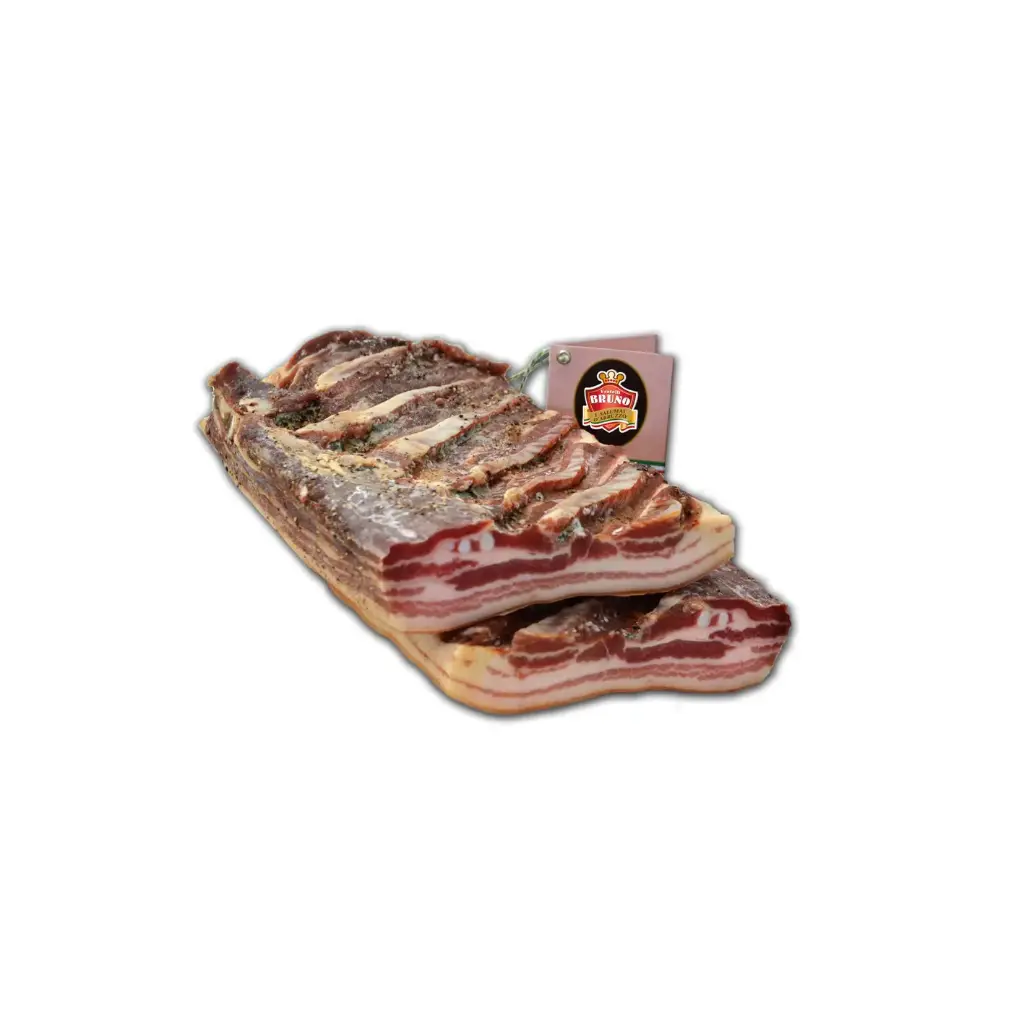
The belly
Pancetta
Pork belly, salted, peppered and spiced, then aged. Laid flat it is pancetta tesa; rolled up it is pancetta arrotolata, which slices into marbled rounds. It is eaten raw in thin slices or cooked in cubes.
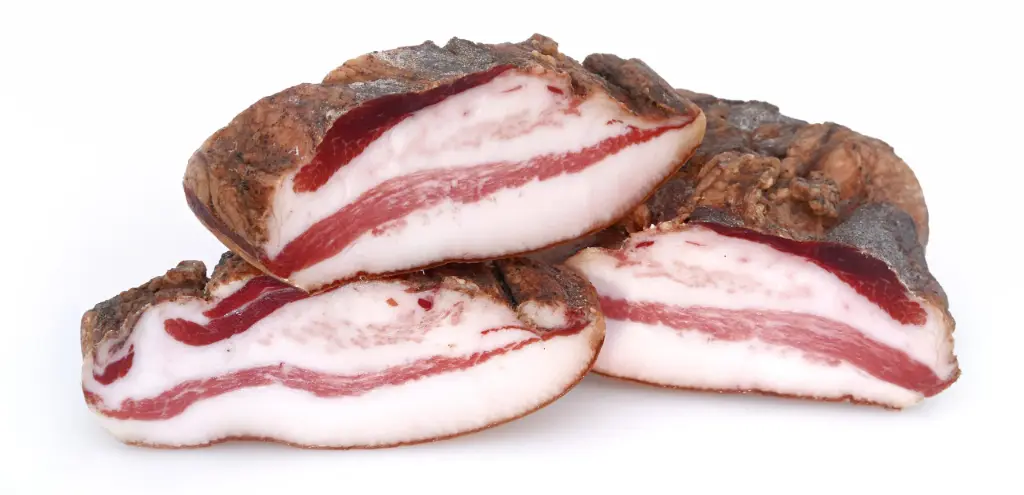
The cheek
Guanciale
Pork cheek, fattier and more flavoursome than pancetta. Its fat melts slowly as it cooks and binds the sauce: it is the key ingredient of the great Roman classics, carbonara, amatriciana and gricia.
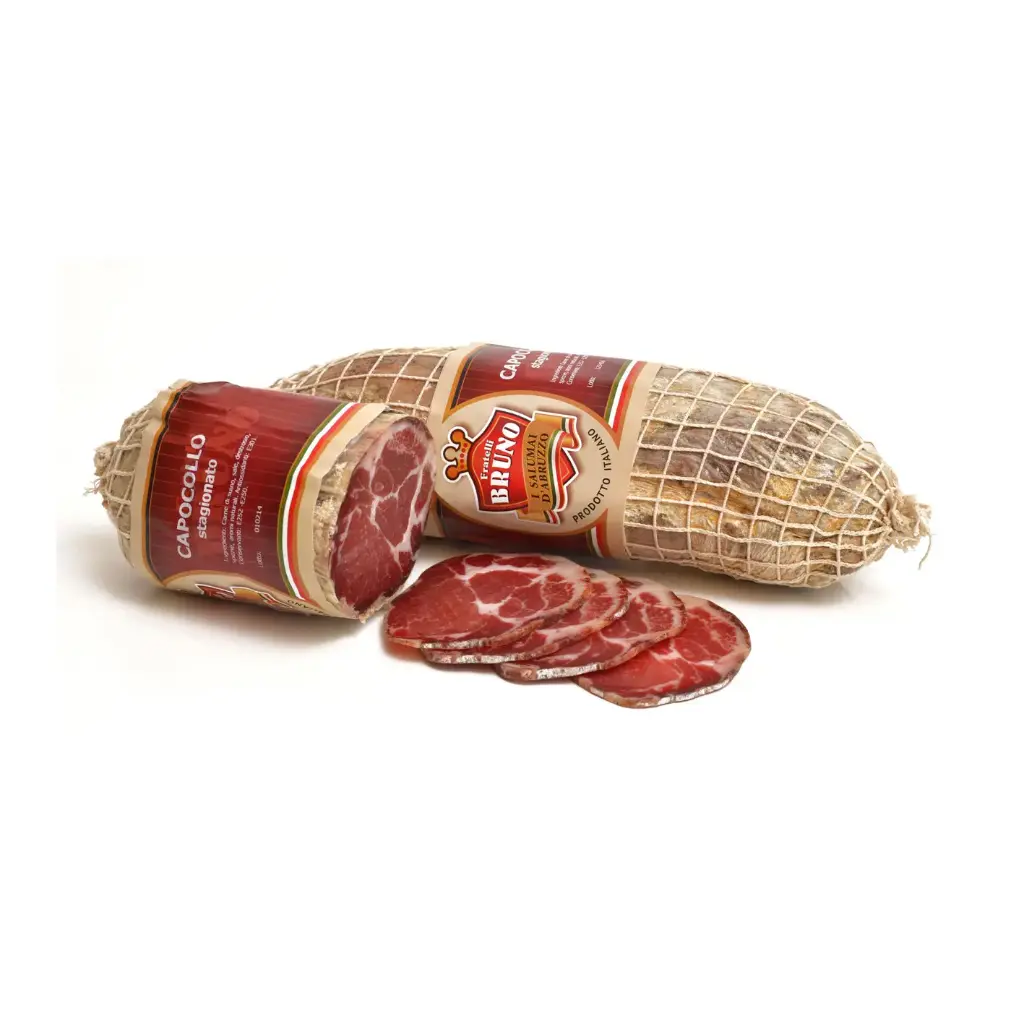
The neck
Capocollo
The neck muscle of the pig, seasoned with salt, pepper and spices, then aged 60 to 70 days. Leaner, it is eaten raw in very thin slices.
Pancetta or guanciale?
For a Roman-style carbonara or amatriciana, choose guanciale: its firmer fat melts gently, makes the sauce creamy and turns crisp as it cooks. Pancetta, leaner and milder, suits slow-cooked sauces, vegetables, soups and everyday cooking.
In the kitchen
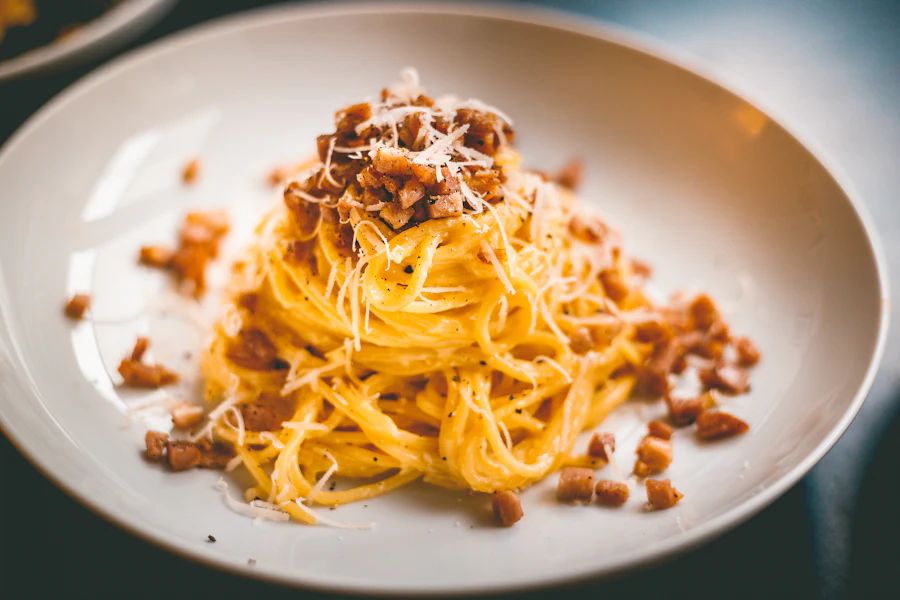 Carbonara
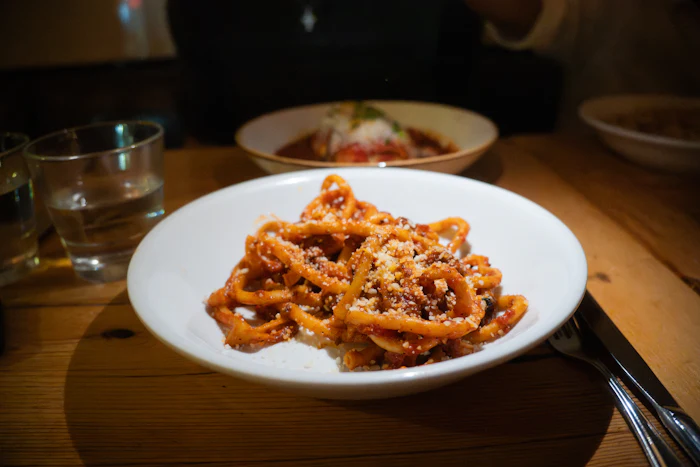 Amatriciana
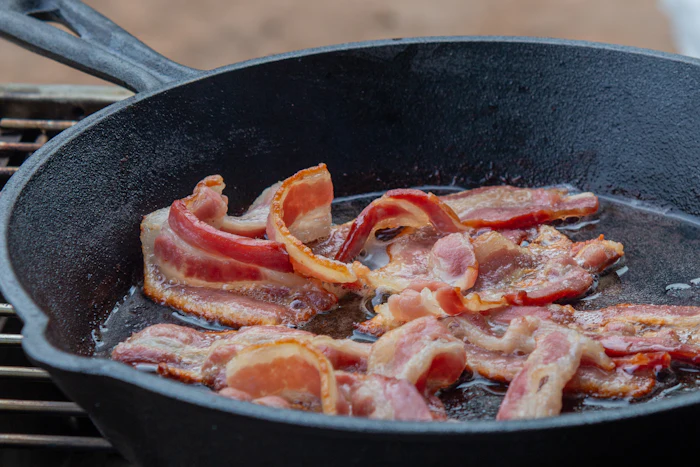 Pan-fried pancetta
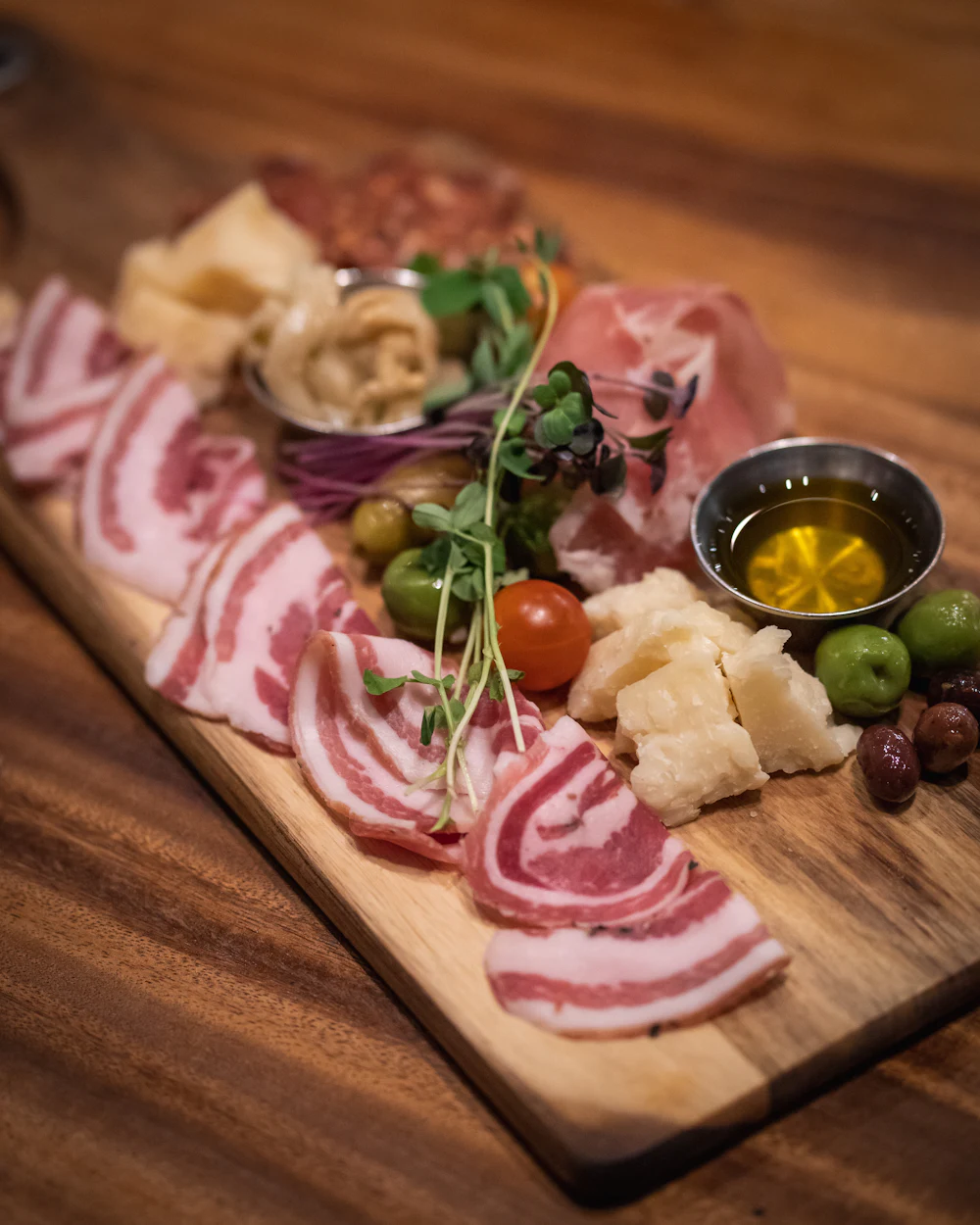 As an aperitivo, rolled pancetta thinly sliced
Carbonara with guanciale
For 4 people, with no cream: the creaminess comes from the eggs, the pecorino and the guanciale fat.
- 320 g spaghetti or rigatoni
- 150 g guanciale
- 4 egg yolks and 1 whole egg
- 60 g grated pecorino romano
- Freshly ground black pepper
- Remove the rind from the guanciale and cut it into strips.
- Brown it over a low heat in a dry pan until crisp. Keep the melted fat.
- Beat the yolks, the whole egg, the pecorino and plenty of pepper.
- Cook the pasta al dente and keep a ladle of the cooking water.
- Off the heat, toss the pasta with the guanciale and its fat, then add the eggs, stirring quickly, with a little cooking water until the sauce is creamy.
With a glass of Montepulciano d'Abruzzo.
Storage and serving
- Keep them in the fridge with the cut side covered in cling film.
- To eat them raw, take them out half an hour before and slice them very thinly.
- For cooking, cut the pancetta or guanciale into cubes or strips and render them over a low heat.
See also our guide to ventricina from Vasto, the salami of Abruzzo.
All our charcuterie from Abruzzo
Delivered across Belgium, or collected from our shop in Ressaix, between Binche and La Louvière.
See the charcuterie Any questions? Contact us
Are you a restaurateur, wine merchant or deli owner? See our trade terms.